Glass-grade comparison
Clear-glass quality, proven by test
How the measured chemistry of AMASIS quartz compares with the limits glass makers typically set for their sand.
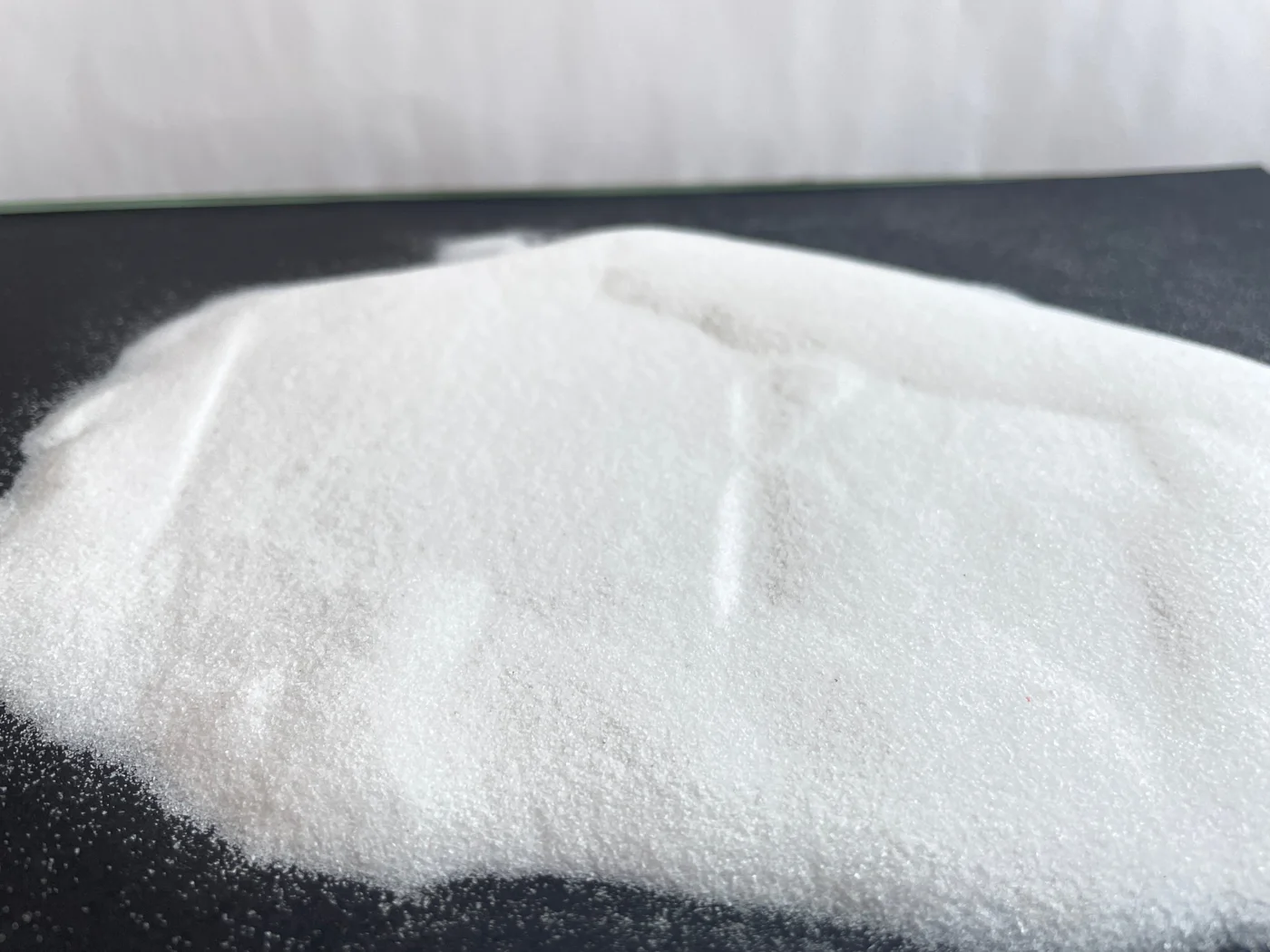
Iron: the decisive test
Iron oxide tints glass green. The lower the Fe₂O₃, the clearer the glass and the higher the grade of glass the sand can make.
Indicative upper Fe₂O₃ limits commonly used in the glass industry, log scale. Your plant’s own specification decides. AMASIS value: Control Union certificate, sand grades.
Side by side
| Parameter | Typical clear-glass sand | AMASIS 0.1–0.3 mm | AMASIS 0.3–0.7 mm | Result |
|---|---|---|---|---|
| SiO2 | ≥ 99.0 % | 99.68 % | 99.70 % | Meets |
| Fe2O3 | ≤ 300 ppm | 100 ppm | 101 ppm | Meets |
| Al2O3 | ≤ 0.5 % | 31 ppm | 27 ppm | Meets |
| TiO2 | ≤ 0.05 % | < 0.01 % | < 0.01 % | Meets |
| CaO + MgO | ≤ 0.1 % | 0.02 % | 0.03 % | Meets |
| Grain size | 0.1–0.6 mm | 90.46 % in band | 90.87 % in band | By grade |
Glass limits are typical figures for clear container-glass sand, given for orientation; they are not one published standard. AMASIS values: Control Union Certificate of Quality Ore100.
Glass-sand standards: Europe, Germany and Japan
There is no single EU law that fixes glass-sand chemistry. Buyers work to three kinds of reference: the British Standard BS 2975 grades used across Europe, published grades from German glass-sand producers, and in Japan the JIS test method with each glass maker’s own limits. Iron decides the grade in all of them.
| Market and reference | Glass type | Fe₂O₃ limit | AMASIS ~100 ppm |
|---|---|---|---|
| UK / Europe · BS 2975 | Optical glass | ≤ 80 ppm (0.008 %) | Below spec |
| UK / Europe · BS 2975 | Lead crystal tableware | ≤ 130 ppm (0.013 %) | Meets |
| UK / Europe · industry | Flint (clear) containers | ≤ 300–350 ppm | Meets |
| UK / Europe · industry | Flat glass | 100–1,000 ppm | Meets |
| UK / Europe · industry | Coloured containers | 2,500–4,000 ppm | Meets |
| Germany · producer grades | White containers, flat and mirror glass | ≤ 190 ppm | Meets |
| Germany · producer grades | Crystal and lead glass, quality mirror | ≤ 140 ppm | Meets |
| Germany · producer grades | Optical, borosilicate and solar glass | ≤ 75–85 ppm | Below spec |
| Japan · JIS M 8852 | All glass types | Set by each glass maker | On your spec |
Sources: BS 2975 limits for optical glass (Fe₂O₃ ≤ 0.008 %, TiO₂ ≤ 0.03 %, Cr ≤ 2 ppm) and lead crystal (≤ 0.013 %) as cited in R. D. Wright, Raw Materials for Glass Making; UK container and flat glass ranges from the Mineral Products Association silica sand factsheet; German grades from published glass-sand producer data (DIN 52240–52242 set the German test methods, not limits); JIS M 8852 sets the Japanese chemical-analysis method for high-silica raw materials. AMASIS sand grades test at 100–101 ppm Fe₂O₃ and meet every limit above except optical, borosilicate and solar glass (75–85 ppm or less), for which AMASIS is not offered.
Japan: how buyers qualify sand
Japanese float, container and tableware makers do not buy to a national limit. They test the sand themselves under JIS methods and set their own purchase specification for Fe₂O₃, Al₂O₃, TiO₂, Cr₂O₃ and grain size. Send us that specification and we reply with a matching lot report and a sample.
Which AMASIS grade for which glass
| Use | Grade | Why |
|---|---|---|
| Clear container and tableware glass | 0.1–0.3 mm · 0.3–0.7 mm | Low iron, melts evenly |
| Float and flat glass | 0.1–0.3 mm | Fine, consistent grain size |
| Crystal and lead tableware glass | 0.1–0.3 mm | Fe₂O₃ 100 ppm, under the 130 ppm crystal limit |
| Optical and solar glass | Not offered | Needs Fe₂O₃ below 80–85 ppm |
| Glass-wool insulation | 0.1–0.3 mm | Clean, low-iron batch sand |
| Continuous glass fibre | < 45 µm | Finely ground silica for fibre batches, to the buyer’s sieve specification |
| Frits, glazes and fillers | < 45 µm | High-purity filler and frit grade |
How to qualify AMASIS for your plant
- Send your sand specification (oxide limits and sieve curve).
- We send the lab report of a current lot and a sample from production.
- Run a trial container through your furnace before contract volumes.
Request a quotation or sample
Tell us the grade, quantity, destination port and Incoterm, and your target limits for SiO₂, Fe₂O₃ and grain size. We reply with a quotation, the lab report of a current lot and sample availability.
Email office@dexpro.com.coContact form